
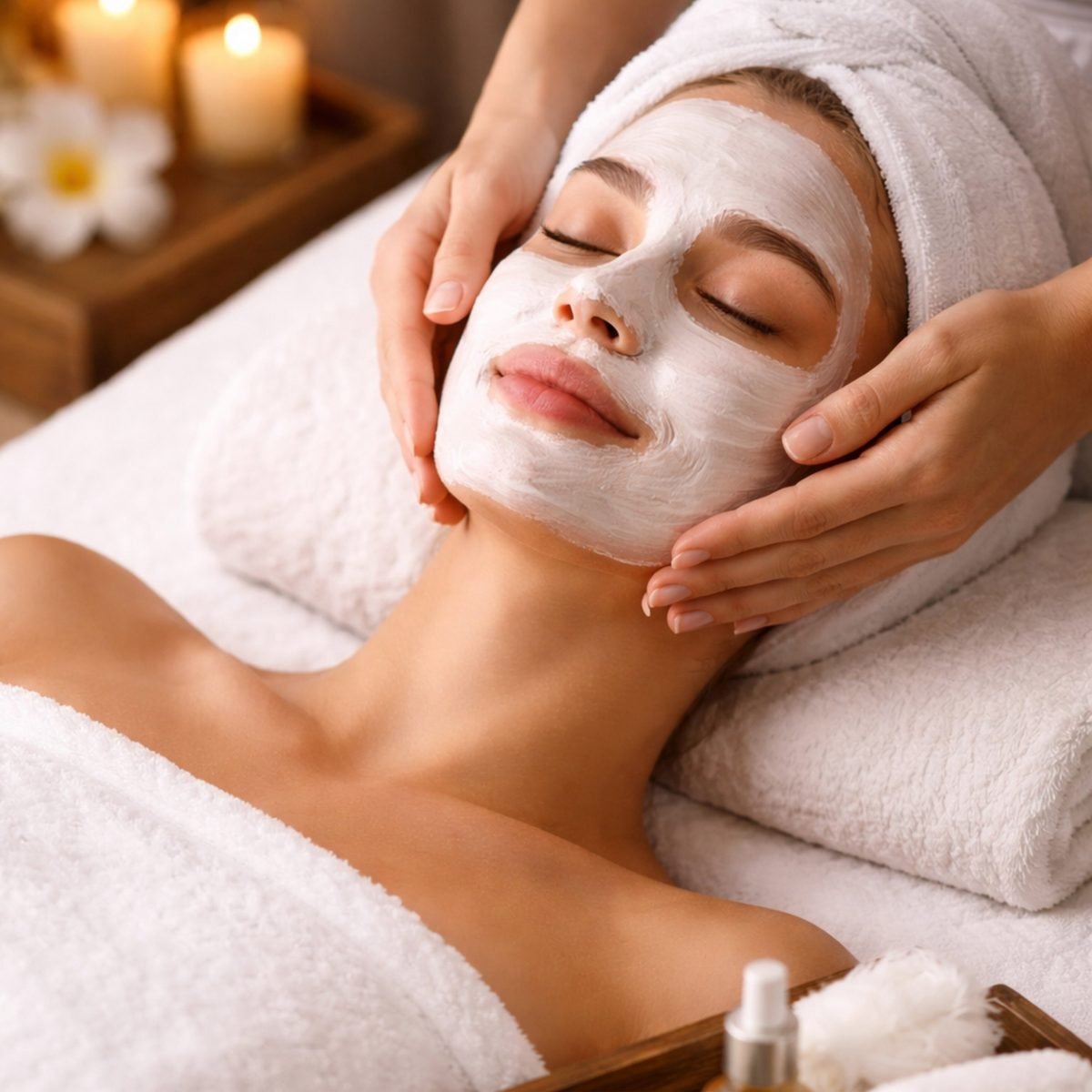
By mid-November in Georgetown, the salon hears the same sentence almost daily: "My skin feels tight, my makeup sits terribly, and nothing I put on it helps for more than an hour." That is the signature of winter skin in Ontario — and more often than people realise, the skin is not simply dry. It is dehydrated: short on water, not just short on oil. The distinction matters, because the fix is different, and it is exactly what a hydration facial is built to deliver. At Beauty by Isra, the Hydration Facial is $85, and through the winter months it quietly becomes the most-booked treatment on the aesthetics menu. Here is what it actually does, who it suits, and how to time it so your skin stays comfortable from the first frost to the spring thaw.
Why Ontario winters wring your skin out
Cold air holds very little moisture, so every trip outside pulls water from your skin. Then you come back into a heated home, office or car, where the air is drier still — indoor heating can drop humidity to desert levels — and the evaporation continues. Halton Hills adds wind to the equation, and wind strips the skin's protective surface faster than cold alone. The result is a weakened skin barrier: the mortar between your skin cells develops tiny gaps, water escapes through them, and irritants get in. That is why winter skin is not just dry but often sensitive, red and reactive at the same time, and why fine lines suddenly look deeper — dehydrated skin creases the way a dried leaf does, while plump, water-filled skin stays smooth. Hot showers, harsh foaming cleansers and over-exfoliating in an attempt to scrub the flakes away all make the barrier worse. Before any product can help, the barrier has to be calmed and the water put back.
Dry or dehydrated? A quick way to tell
Dry skin is a skin type: it produces less oil year-round, feels tight everywhere, and improves with richer creams. Dehydrated skin is a condition: any skin type can have it — including oily skin, which confuses people no end — and its clues are dullness, a papery tightness after washing, makeup that cracks or settles by midday, and fine lines that seem to appear overnight in winter and soften after a good moisturiser. If your skin is oily by lunch but still feels tight and looks flat, you are almost certainly dehydrated rather than dry. This is why simply piling on heavier cream often disappoints: cream seals, but if there is little water underneath to seal in, the tightness returns within the hour. Hydration has to come first, in layers, and then be locked in. That layering is precisely the structure of a professional hydration facial.
What happens during a hydration facial, step by step
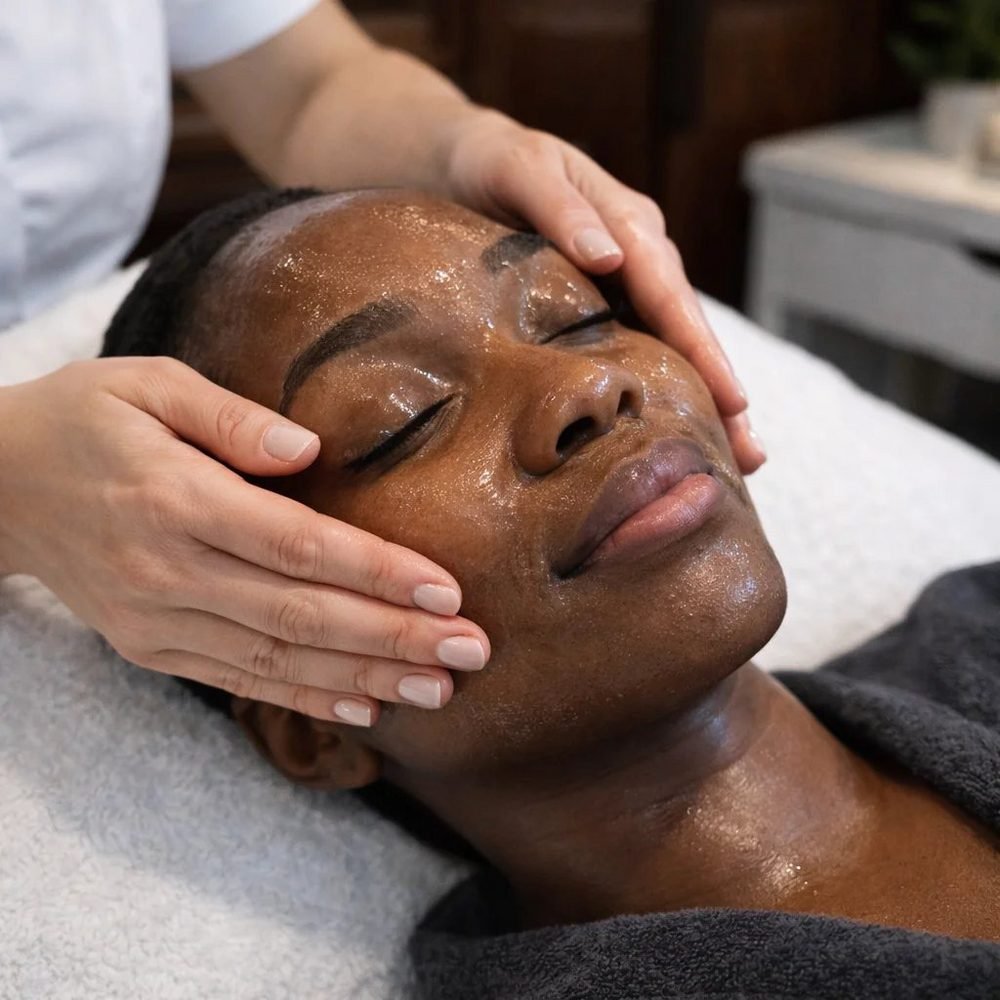
The treatment begins with a gentle, non-stripping cleanse — in winter, cleansing should never leave skin squeaking. A mild exfoliation follows, chosen carefully: the goal is to lift the dull, flaky surface cells that block absorption, without scrubbing an already fragile barrier. This is the step that makes everything after it work harder, because serums cannot reach thirsty skin through a layer of dead cells. Next comes the hydration itself, applied in layers: humectant-rich serums that draw water into the skin, worked in with a relaxing facial massage that also boosts circulation — blood flow is part of how skin repairs its barrier. A hydrating mask then gives those layers time to sink in rather than evaporate. The facial finishes with moisturiser and protection matched to your skin, so the water that has just been put in stays in. You leave with skin that feels cushioned rather than coated. There is no downtime, no peeling, and makeup can go on the same day — though most clients enjoy a makeup-free evening and let the glow do the work.
What it does — and what to honestly expect
Immediately, a hydration facial does three visible things: skin looks plumper and brighter, because water-filled cells reflect light evenly; fine dehydration lines soften, sometimes dramatically; and makeup applies the way it is supposed to, gliding instead of clinging to flakes. Comfort changes too — that end-of-day tightness eases, and products stop stinging. Over a winter of regular treatments, the cumulative effect is a stronger barrier: skin that loses less water between facials, reacts less to cold and wind, and needs less rescuing. What a hydration facial will not do is change your skin type permanently or replace a routine — it is a deep drink and a reset, and the weeks between appointments still matter. Clients who book monthly through the winter consistently report that February — usually the worst month — simply stops being a problem.
When to book it
Timing depends on the goal. For general winter rescue, book whenever the tightness and dullness set in — most clients settle into one hydration facial every four to six weeks from November to March. Before an event — a wedding, a holiday party, a photo session — book three to five days ahead: close enough that the plumpness is at its peak, far enough that any sensitivity has settled, and never the same morning if your skin is reactive. Brides often pair the timing with their other appointments; a hydration facial a few days before the wedding is one of the simplest ways to guarantee makeup sits beautifully. If your skin is severely compromised — cracked, stinging, flaring — tell the salon when you book, so the treatment can be kept at its gentlest. And if budget is the question, remember the menu has a step down as well as up: a Premium Cleansing facial is $50 for maintenance, while the B&H Signature Facial at $120 is the full, unhurried version for skin that needs everything at once.

Keeping the water in between facials
A few home habits protect what the facial builds. Cleanse with lukewarm water, never hot, and keep showers shorter than your winter instincts want. Apply moisturiser to slightly damp skin — that dampness is free hydration, sealed in by the cream. Switch to a richer night cream for the season, and if your home air is very dry, a bedroom humidifier is one of the highest-impact changes you can make. Ease off strong exfoliating acids while your barrier is recovering; once or twice a week is plenty in winter. And keep drinking water — while topical hydration does the heavy lifting for skin, a generally hydrated body supports it. Do these small things, book the facial when the tightness starts rather than when the flaking is severe, and winter stops being the season your skin dreads. In Georgetown, that is saying something.
Hydration and the rest of the winter menu
Clients sometimes ask how the Hydration Facial sits alongside the salon's other treatments, because winter skin rarely has only one complaint. If dullness and rough texture lead, the exfoliation balance shifts; if sensitivity and redness lead, everything gets gentler and the hydration gets deeper. The B&H Signature Facial ($120) is the unhurried full treatment — the one to choose when you want cleansing, treatment and massage given their full time, or when you are preparing skin for an important event and want nothing rushed. Premium Cleansing ($50) is the maintenance anchor between deeper treatments. And because winter dryness is rarely only facial, many clients pair their visit with the parts of the menu that quietly suffer most in the cold: hands. A manicure is $35 and a pedicure $35, and a full body massage — 30 minutes for $45 or 60 minutes for $90 — is the winter appointment clients describe as the one that resets more than their skin. None of this is upselling logic; it is the simple observation that in February, everything is dry, and an hour of being properly looked after is a rational response.
Quick questions
How much is a hydration facial in Georgetown?
The Hydration Facial at Beauty by Isra is $85. For a lighter maintenance treatment, Premium Cleansing is $50, and the full B&H Signature Facial is $120.
How often should I get a hydration facial in winter?
Every four to six weeks through the cold months suits most people. If your skin is very dehydrated, a second session two to three weeks after the first helps rebuild the barrier faster.
Is a hydration facial good before a wedding or party?
Yes — book it three to five days before the event. Skin is plumpest and calmest in that window, and makeup applies noticeably better over well-hydrated skin.
What is the difference between dry and dehydrated skin?
Dry skin lacks oil and is a year-round type. Dehydrated skin lacks water and can affect any type, even oily skin — clues are dullness, tightness after washing and makeup that cracks by midday.
Can I wear makeup after a hydration facial?
Yes, there is no downtime. Most clients skip makeup for the rest of the day to enjoy the glow, but if you have plans, makeup can go on as normal.
Good to know
- Winter skin in Ontario is usually dehydrated — short on water, not just oil — and needs layered hydration, then a seal.
- The Hydration Facial is $85 at Beauty by Isra; book every 4–6 weeks in winter, or 3–5 days before an event.
- At home: lukewarm water, moisturiser on damp skin, gentler exfoliation and a bedroom humidifier protect the results.
Topics in this guide: hydration facial · facial for dry winter skin · hydrating facial Georgetown · best facial Georgetown Ontario · winter skincare Ontario